BLOG

Why Contractors Who Switch to Architectural EPS Rarely Go Back to Anything Else

Most contractors who try architectural EPS for the first time do so because a project made it the practical choice — the weight of precast wasn’t going to work, or the lead time on stone was going to push the schedule, or the budget couldn’t support what the architect originally specified. They use EPS to […]

Why Contractors Who Switch to Architectural EPS Rarely Go Back to Anything Else Read More »

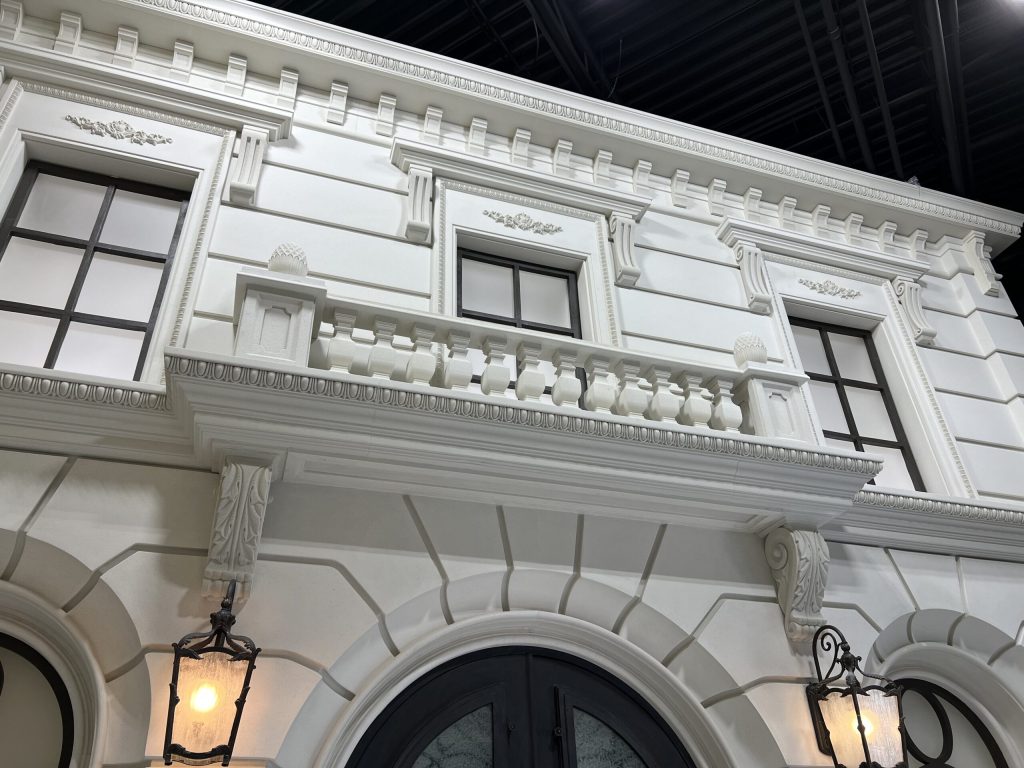
How to Add or Replace Exterior Cornice Details — Material Options and What Actually Works

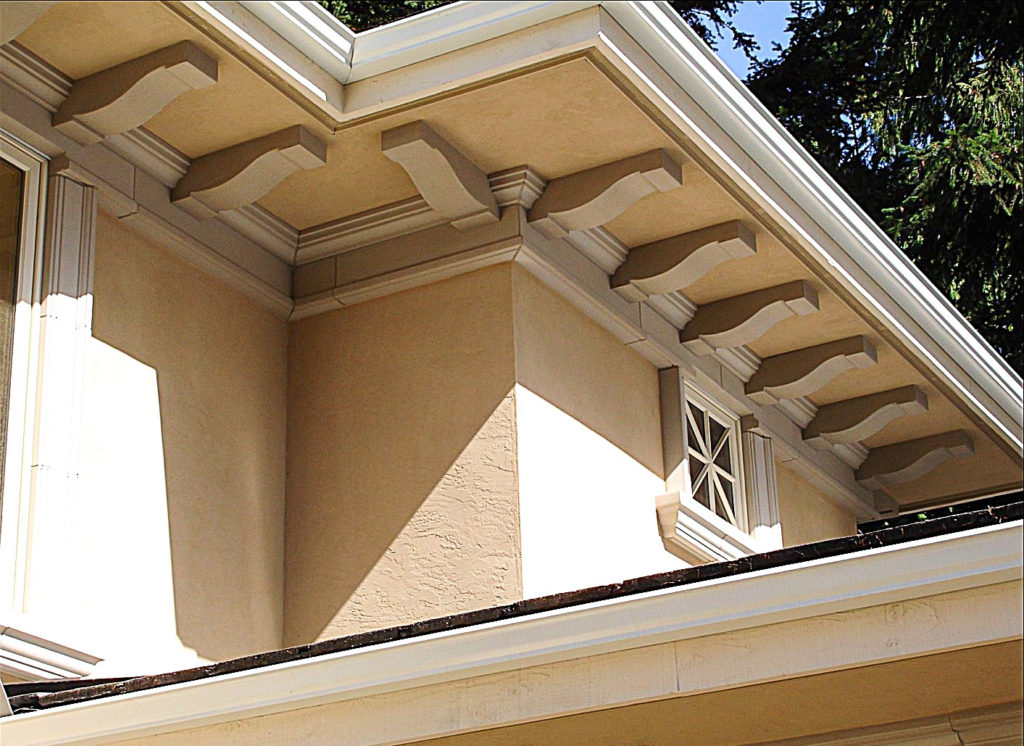
The cornice is one of the most defining details on a building’s exterior. It marks the transition between the wall and the roofline, provides visual weight and finish at the top of the facade, and signals the architectural intent of the whole design. When it’s done well, it looks like it belongs. When it’s missing,

How to Add or Replace Exterior Cornice Details — Material Options and What Actually Works Read More »

Why Architectural EPS Pilasters Outperform Wood, Precast, and GFRC on Commercial and Residential Facades

Pilasters don’t get talked about as much as columns or cornices, but they show up on more buildings than most people realize. Any time you see a flat, column-like projection rising from a wall surface — framing a doorway, punctuating a facade at regular intervals, or adding vertical structure to an otherwise flat exterior —

Why Architectural EPS Pilasters Outperform Wood, Precast, and GFRC on Commercial and Residential Facades Read More »

How Does Humidity and Coastal Climate Affect the Performance of Different Architectural Materials?

Architects designing projects in coastal regions or high-humidity climates face unique challenges. Salt air, moisture, and temperature fluctuations can dramatically impact material performance and longevity. Traditional materials like natural stone, precast concrete, and wood each react differently to coastal environments. Many architects don’t realize how significantly these conditions accelerate deterioration — or how alternatives like

How Does Humidity and Coastal Climate Affect the Performance of Different Architectural Materials? Read More »

Why Multi-Unit Developers Choose Cement Coated EPS for Repetitive Facade Elements

Most multi-unit residential developments have a problem. The architect designs a beautiful facade with columns flanking each entryway, cornice details along the roofline, and window surrounds that give the building character. Then the estimator runs the numbers. Precast concrete for 40 identical column covers means extended lead times, serious shipping costs, and installation crews that

Why Multi-Unit Developers Choose Cement Coated EPS for Repetitive Facade Elements Read More »

Cement Coated EPS Keystones — How Modern Materials Can Replicate Historical Arch Support Elements

Keystones hold a special place in architectural history. These wedge-shaped stones sit at the apex of an arch, traditionally serving as the final piece that locks all other stones into place and allows the arch to bear weight. For centuries, keystones were essential structural components — without them, arches would collapse. But keystones also became

Cement Coated EPS Keystones — How Modern Materials Can Replicate Historical Arch Support Elements Read More »

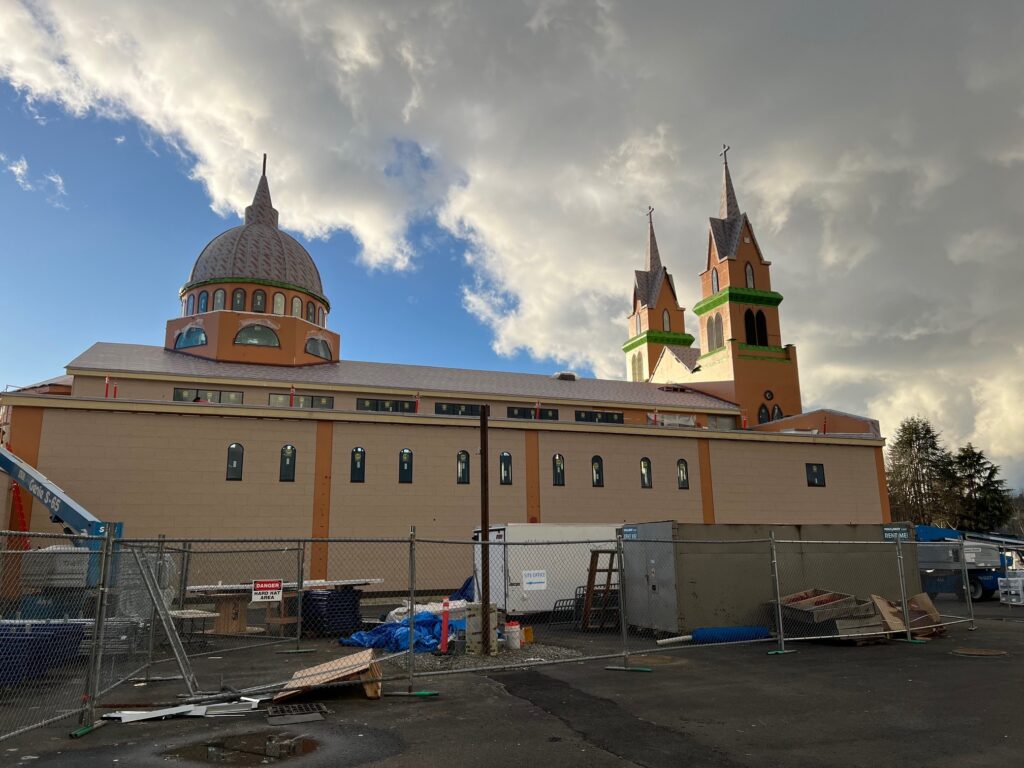
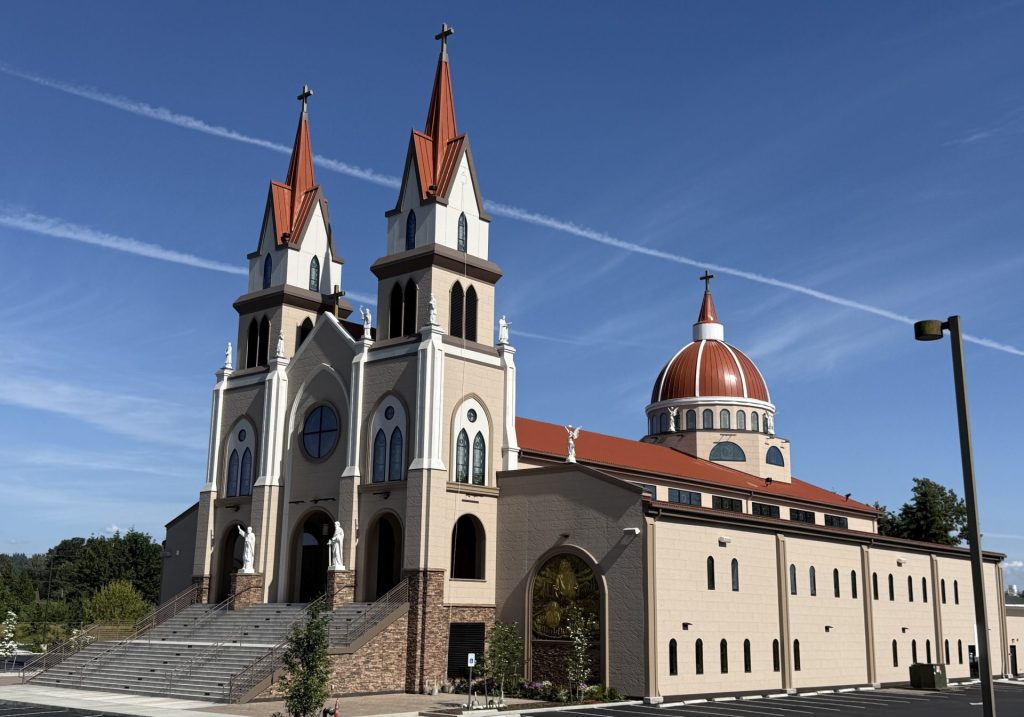
Closeup front view of the VMP church in development.

Beyond Weight and Wait – How PW Profiles Exceeds Natural Stone

Architectural stone is one of the most popular materials in architecture. It is highly durable, beautiful, and highly appreciated option for many architectural products. It is also a constant challenge. These days, architects and contractors are looking for anything they can to save money and time, and stone provides none of those things. As many

Beyond Weight and Wait – How PW Profiles Exceeds Natural Stone Read More »

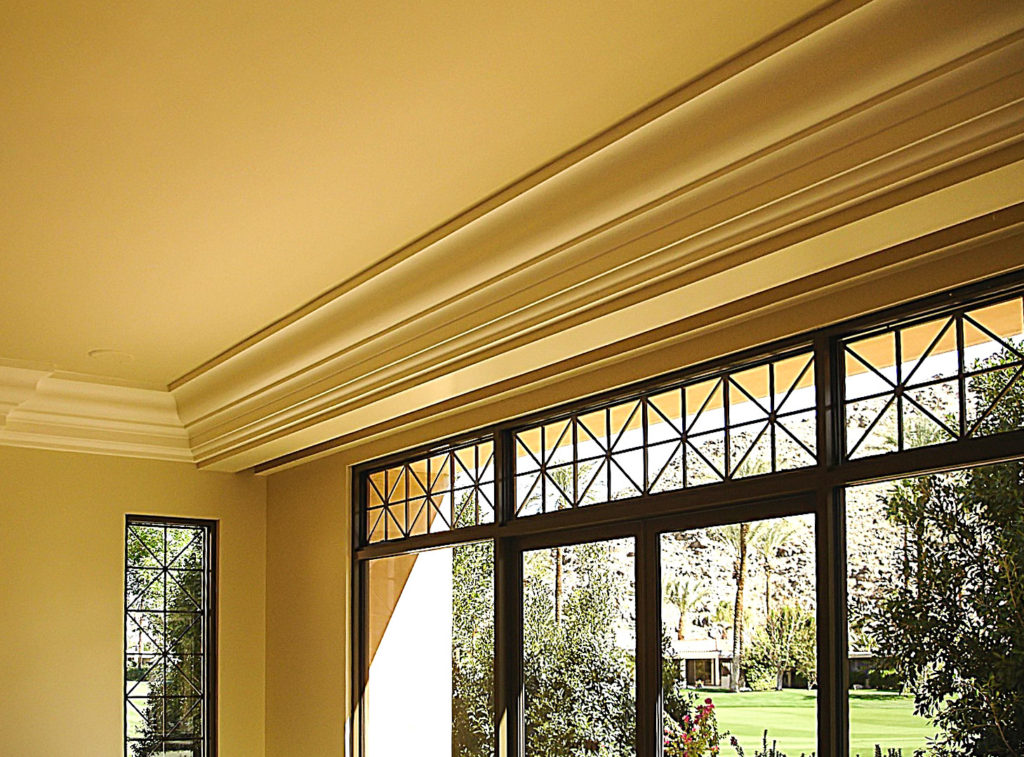
How Long Can Interior Cement Coated Architectural EPS Be Expected to Last?

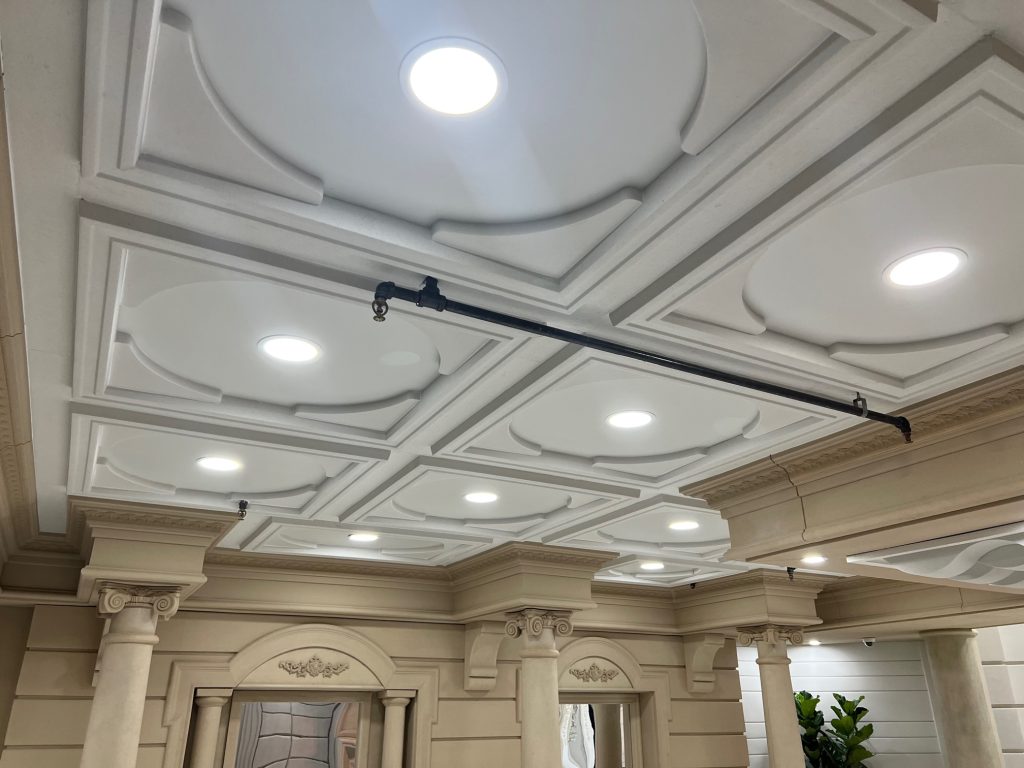
Architects choose architectural EPS for a variety of reasons. It is less expensive to install. It is weather resistant. It offers soundproofing and energy efficiency benefits. But one of the main concerns that people have about using a product like architectural EPS – even though our architectural EPS is cement coated – is durability. EPS

How Long Can Interior Cement Coated Architectural EPS Be Expected to Last? Read More »

Skip to content