Architectural EPS

How Does Humidity and Coastal Climate Affect the Performance of Different Architectural Materials?

Architects designing projects in coastal regions or high-humidity climates face unique challenges. Salt air, moisture, and temperature fluctuations can dramatically impact material performance and longevity. Traditional materials like natural stone, precast concrete, and wood each react differently to coastal environments. Many architects don’t realize how significantly these conditions accelerate deterioration — or how alternatives like […]

How Does Humidity and Coastal Climate Affect the Performance of Different Architectural Materials? Read More »

Why Multi-Unit Developers Choose Cement Coated EPS for Repetitive Facade Elements

Most multi-unit residential developments have a problem. The architect designs a beautiful facade with columns flanking each entryway, cornice details along the roofline, and window surrounds that give the building character. Then the estimator runs the numbers. Precast concrete for 40 identical column covers means extended lead times, serious shipping costs, and installation crews that

Why Multi-Unit Developers Choose Cement Coated EPS for Repetitive Facade Elements Read More »

Cement Coated EPS Keystones — How Modern Materials Can Replicate Historical Arch Support Elements

Keystones hold a special place in architectural history. These wedge-shaped stones sit at the apex of an arch, traditionally serving as the final piece that locks all other stones into place and allows the arch to bear weight. For centuries, keystones were essential structural components — without them, arches would collapse. But keystones also became

Cement Coated EPS Keystones — How Modern Materials Can Replicate Historical Arch Support Elements Read More »

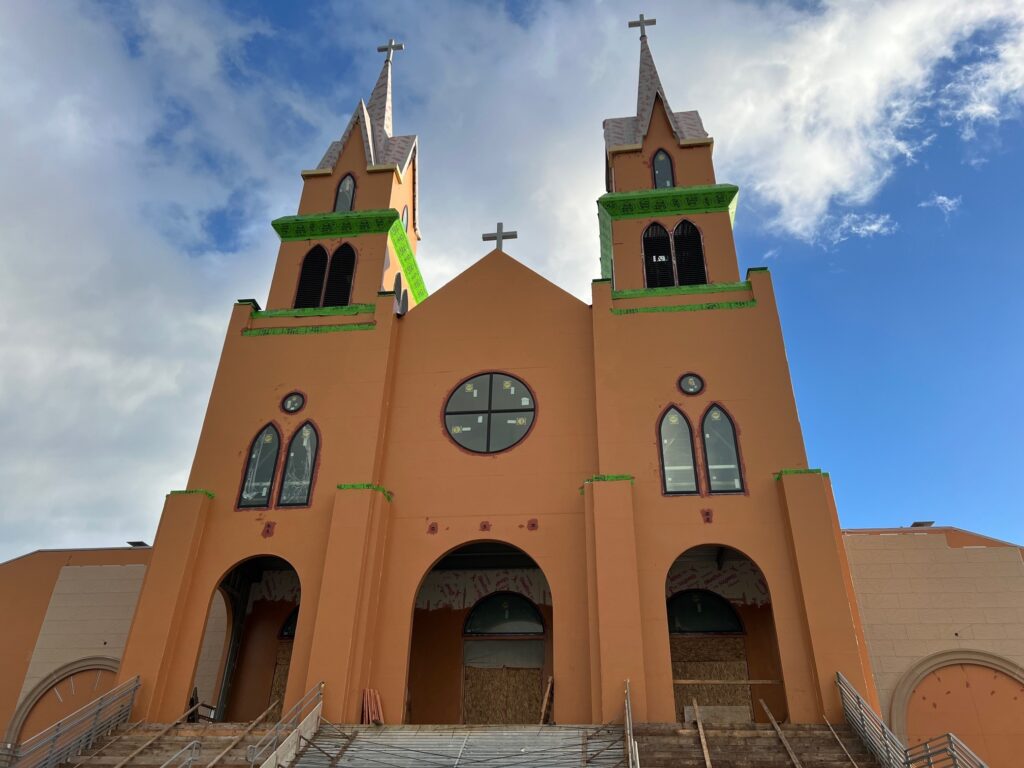
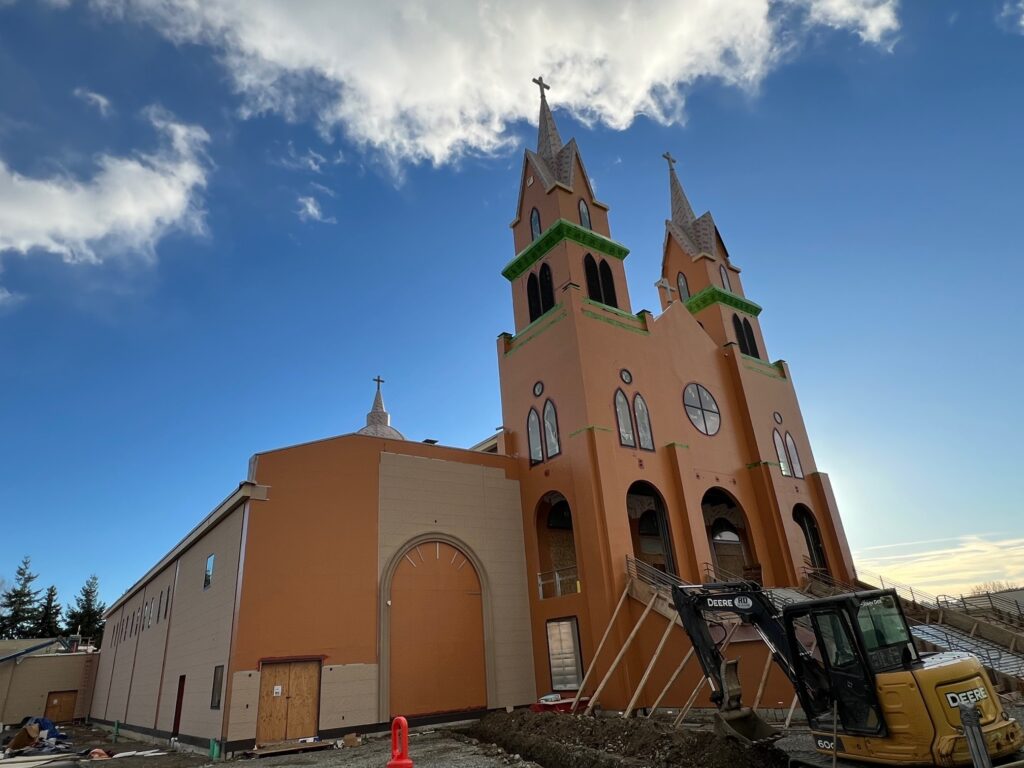
Closeup front view of the VMP church in development.

Beyond Weight and Wait – How PW Profiles Exceeds Natural Stone

Architectural stone is one of the most popular materials in architecture. It is highly durable, beautiful, and highly appreciated option for many architectural products. It is also a constant challenge. These days, architects and contractors are looking for anything they can to save money and time, and stone provides none of those things. As many

Beyond Weight and Wait – How PW Profiles Exceeds Natural Stone Read More »

How Long Can Interior Cement Coated Architectural EPS Be Expected to Last?

Architects choose architectural EPS for a variety of reasons. It is less expensive to install. It is weather resistant. It offers soundproofing and energy efficiency benefits. But one of the main concerns that people have about using a product like architectural EPS – even though our architectural EPS is cement coated – is durability. EPS

How Long Can Interior Cement Coated Architectural EPS Be Expected to Last? Read More »

Architectural EPS as a Solution to Fire Resistance in Building Codes

Fire resistance has always been an important part of the construction process. But building codes are also becoming stricter. Before, the biggest fire risk to the building was the kitchen. Yet we’re now experiencing situations where it’s getting hotter and dryer than ever, which means that buildings have a greater risk of fire coming from

Architectural EPS as a Solution to Fire Resistance in Building Codes Read More »

Benefits of Architectural EPS for Exterior Soffits

Exterior soffits play both an aesthetic AND functional role in building design. While their primary purpose is to cover the underside of roof eaves, overhangs, balconies, and entryways (protecting structural components from moisture and debris) it is their architectural qualities that often matter most in architectural design. Interior soffits often rely on gypsum based materials.

Benefits of Architectural EPS for Exterior Soffits Read More »

Do Cement Coated EPS Architectural Products Experience Significant Damage Under Force?

Patterson Whittaker Architectural Profiles is North America’s leading provider of cemented coated Expanded Polystyrene (EPS) architectural products. These products are widely used for exterior – and interior – features of both commercial and residential properties, including moldings, columns, cornices, and window trims. These provides provide a phenomenally lightweight alternative compared to traditional wood, concrete, and

Do Cement Coated EPS Architectural Products Experience Significant Damage Under Force? Read More »

Why Consider EPS Cladding Panels for Moisture-Resistant Facades in Humid Climates

At Patterson Whittaker Architectural Profiles, our products are versatile. They can be used in nearly any type of construction project, suitable for a variety of architectural styles in commercial and residential design. They can be especially beneficial in climates where moisture resistance is critical, particularly in places with humid climates like Florida and much of

Why Consider EPS Cladding Panels for Moisture-Resistant Facades in Humid Climates Read More »

Skip to content